Dr. Nathan Gibbs – The Sports Doc Who’s Seen It All
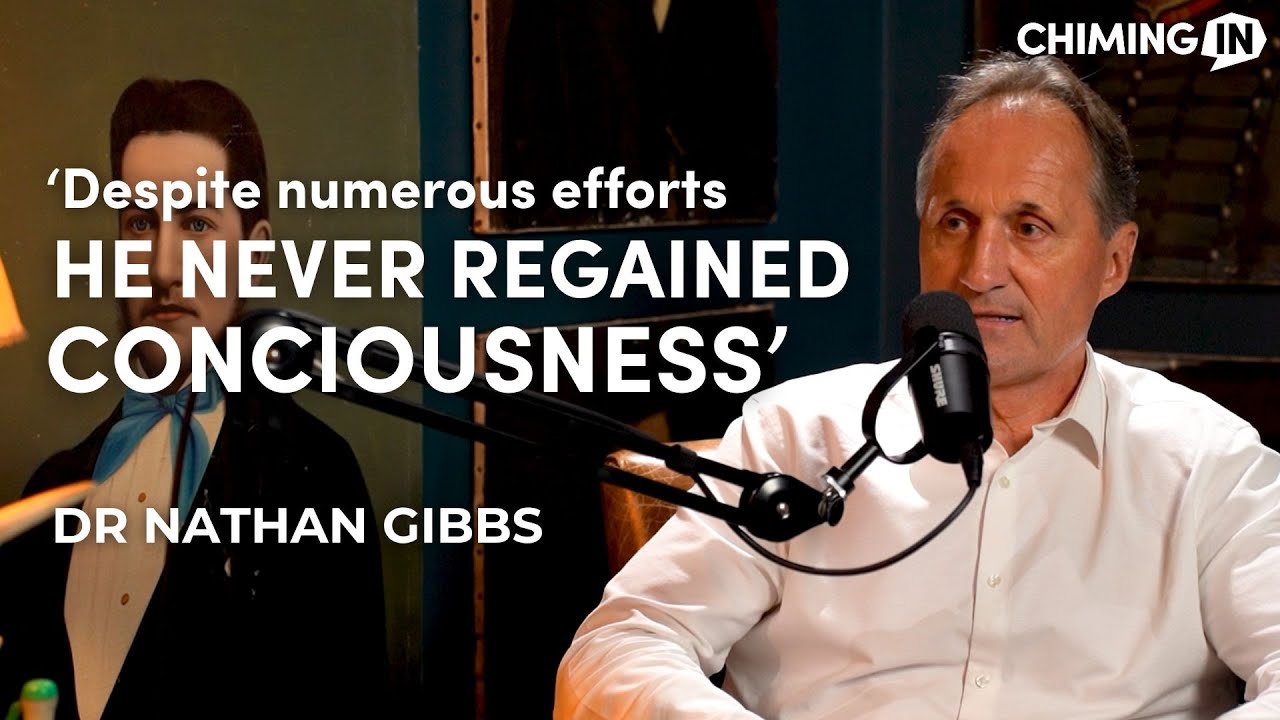
This episode of Chiming In features Dr Nathan Gibbs, one of Australia’s most respected sports physicians. From modest beginnings in Coogee to a rare dual-code career as both elite player and doctor, Gibbs recounts four decades on the frontline of professional sport, offering insight into how rugby league and AFL medicine have evolved across generations.
The Dual Career: From the Back Row to the Operating Theatre
Gibbs concedes that medicine was not a childhood vocation but a pragmatic decision shaped by his HSC results. When the time came to nominate university preferences, he simply asked which course was the most difficult to gain entry into and selected medicine. Growing up in Coogee without access to a car, he would catch the bus to watch South Sydney play, never imagining he would one day captain the club and claim the inaugural Dally M Backrower of the Year award in 1980.
At just 24, he retired from first-grade football to concentrate fully on his medical training. The physical toll of rugby league, combined with the punishing hours of a junior doctor’s roster, proved unsustainable. Rather than compromise either pursuit, he chose medicine—a decision that ultimately shaped the next forty years of elite sport.
Jack Gibson: Life Lessons from “Big Jack”
Gibbs credits the legendary Jack Gibson with instilling standards that endured well beyond football. Gibson’s so-called “million-dollar rule” was uncompromising: arrive even one minute late to Saturday morning training and you would not play on Sunday. His logic was simple—if a player were offered a million dollars to be punctual, he would sleep on the training paddock. Therefore, lateness was not accidental; it was a conscious decision to let teammates down.
Gibson’s intolerance for shortcuts extended to training detail. On one occasion, he declined to select a player for a trial match because he had stepped inside a cone during a 400-metre repeat session months earlier. In Gibson’s view, a shortcut in December inevitably became a shortcut in July.
The Wally Lewis Controversy (1990)
One of the defining episodes of Gibbs’ career came in 1990, when he ruled Wally Lewis out of the Kangaroo Tour. Despite Lewis’ determination to play, imaging confirmed that his fractured forearm remained angulated. Clearing him would have posed unacceptable risk.
As a relatively young doctor, Gibbs faced considerable external pressure to pass the national captain fit. With the backing of orthopaedic authority Dr Merv Cross, he held his ground. He reflects that Lewis accepted the decision privately, although his tone shifted somewhat when addressing the media.
Medical Evolution: From “Collapse and Repeat” to MRI
Gibbs speaks candidly about how dramatically sports medicine has advanced. In the 1960s and 70s, anterior cruciate ligament injuries were poorly understood. Players would collapse, wait for swelling to subside, return prematurely, and repeat the cycle—often retiring with severely arthritic knees before the age of forty.
The introduction of MRI technology transformed both diagnosis and athlete management. Hidden pathologies such as syndesmosis injuries—high ankle sprains that once went undetected—can now be identified with precision. Equally important is the psychological reassurance imaging provides; a clear scan can restore a player’s confidence as much as their physical readiness.
High-Stakes Moments: Life, Death and Courage
Gibbs recounts the 2012 AFL Grand Final, when Sydney Swans captain Adam Goodes ruptured his posterior cruciate ligament in the second quarter. After being informed of the diagnosis, Goodes reportedly gestured towards his previously injured knee and quipped, “That’s the other one, Doc — now I’ve got a matching pair,” before returning to the field to help secure the premiership.
Not all sideline moments ended in triumph. Gibbs describes performing CPR and deploying a defibrillator on long-serving Swans trainer Wally Jackson at the SCG. Despite immediate intervention, Jackson never regained consciousness. He also details treating Swans defender Teddy Richards, who sustained eight rib fractures in four places alongside a pneumothorax. Gibbs prepared, if necessary, to perform an emergency decompression on the field to prevent cardiac arrest—an illustration of how quickly sport can turn from spectacle to trauma medicine.
The Future: Back to Origin
After involvement in 23 State of Origin series with New South Wales—where the ledger stands evenly balanced at 11 series victories apiece—Gibbs is returning to the arena. He speaks with enthusiasm about working alongside Craig Bellamy for the 2025 campaign, intent on reclaiming the shield for New South Wales.
Watch the full episode on Fanatics TV.