The gloves come off as player agents lift the lid on the NRL’s most misunderstood industry
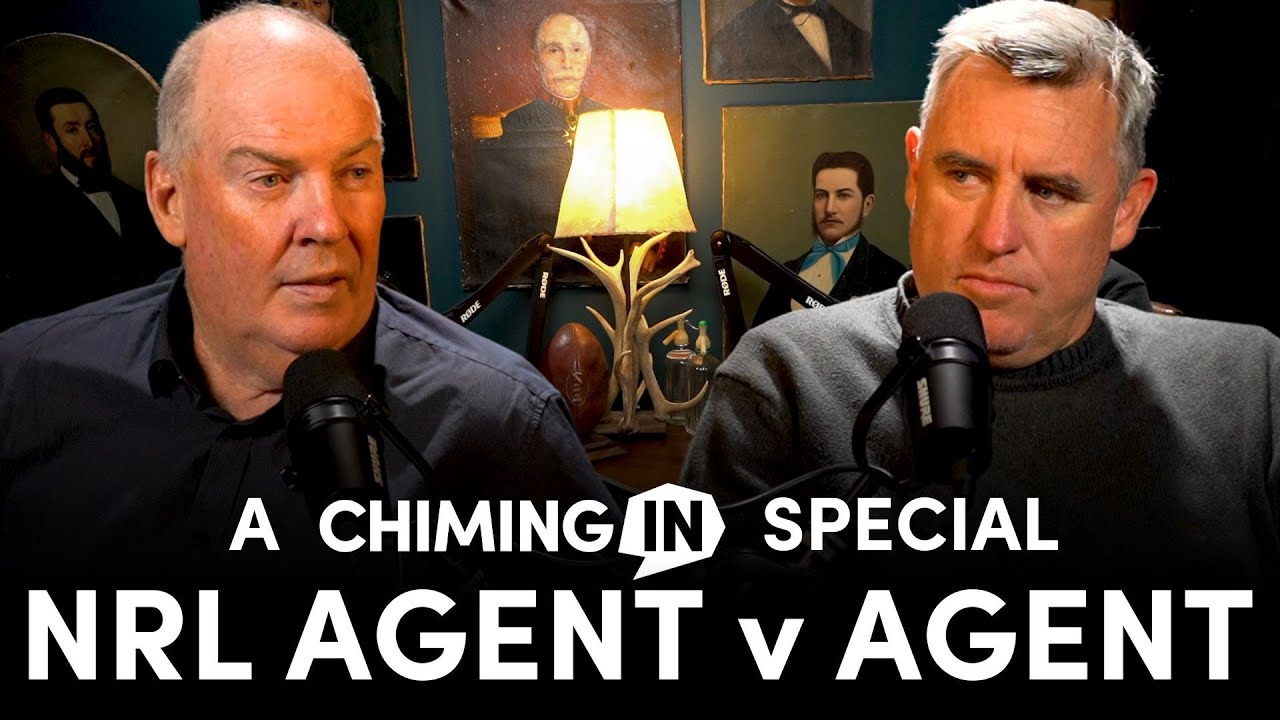
In the latest episode of Chiming In, Steve Gillis and Dave Riolo give an unflinching look behind the curtain of NRL player management. With over 60 years of collective experience between them, the veteran agents tackled the myths, the scandals, and the often-volatile relationship between clubs, players, and the representatives who navigate the chaos in between.
The conversation opened with a frank assessment of the public's perception of agents. Often lumped together with "murderers and rapists" in the media, agents are frequently cast as the villains of the rugby league landscape. However, Riolo was quick to point out that the reality of the job is far from the glitzy, power-hungry image often portrayed.
"A lot of the incentive is they think it’s glamorous," Riolo observed. "When it’s not always glamorous. Most times, if a player was going to get 200 grand and we get him 220, they’re in front. It’s a tax deduction, they’ve got more money, and they’re better off."
The barrier to entry
One of the most pressing issues discussed was the ease with which new agents can enter the fray. With roughly 140 accredited managers competing for a pool of 600 professional players, the market has become increasingly crowded. Riolo argued that the current standards for accreditation are insufficient.
"I don’t think you have to do enough. I think the bar to get in is too low," he stated. "I think there needs to be a much tougher knowledge test. You pay the fee, you do an online module, and provided you’re a fit and proper person, you seem to be able to get in."
This influx of inexperienced agents has, in their view, contributed to some of the friction seen in high-profile recruitment sagas, such as the recent headlines surrounding young star Lachlan Galvin.
Crisis management and the midnight call
While contract negotiations are the bread and butter of the industry, the hosts highlighted that their most critical work often happens in the shadows. When a player finds himself in trouble, it is rarely the coach or the union who receives the first call.
"I get the first call 99 times out of 100," Gillis noted. "Not the coach, not the club... it’s the agent who gets the call."
Riolo recounted his own history of crisis management, which has seen him navigate everything from public scandals to serious legal matters. He spoke specifically about the infamous "bubbler" incident involving Todd Carney, describing the intense 24-hour media firestorm that followed.
"You need to be there to calm the waters and put the player back together again," Riolo explained. "People forget our athletes are human. They are young men exposed to fame and fortune, and it’s not that easy to handle."
The red carpet and the "hard sell"
The duo also shared lighter anecdotes about the lengths clubs go to when courting talent. From private jets and helicopters to lavish estates, the recruitment process can occasionally resemble a Hollywood film. Riolo recalled a trip to New Zealand where the Warriors’ then-owner Eric Watson flew them to a private equestrian property complete with its own golf course and a helicopter to whisk them to a vineyard for lunch.
However, when it comes to their own recruitment of 15-year-old prospects, both hosts agreed that honesty is the best policy.
"I tell the parents, 'I can tell you today whatever you want to hear,'" Gillis said. "I can tell you your son is going to be a superstar... or I can tell you how hard this is going to be. It’s an incredible ride, but it’s going to be so tough."
Looking ahead
As the NRL continues its review of the agent accreditation scheme, Gillis and Riolo remain hopeful that the industry will continue to evolve. They stressed that while a few "rogue" elements might dominate the news cycle, the majority of agents are essential to the modern game’s ecosystem, providing legal protection, financial guidance, and emotional support to the players who provide the entertainment.
"We don’t want the power to run a club," Riolo concluded. "I’ve got no interest in that. I’m quite happy being in the background helping my players. We just want a seat at the table to make sure the game keeps moving in the right direction."
Catch the full discussion on Fanatics TV.