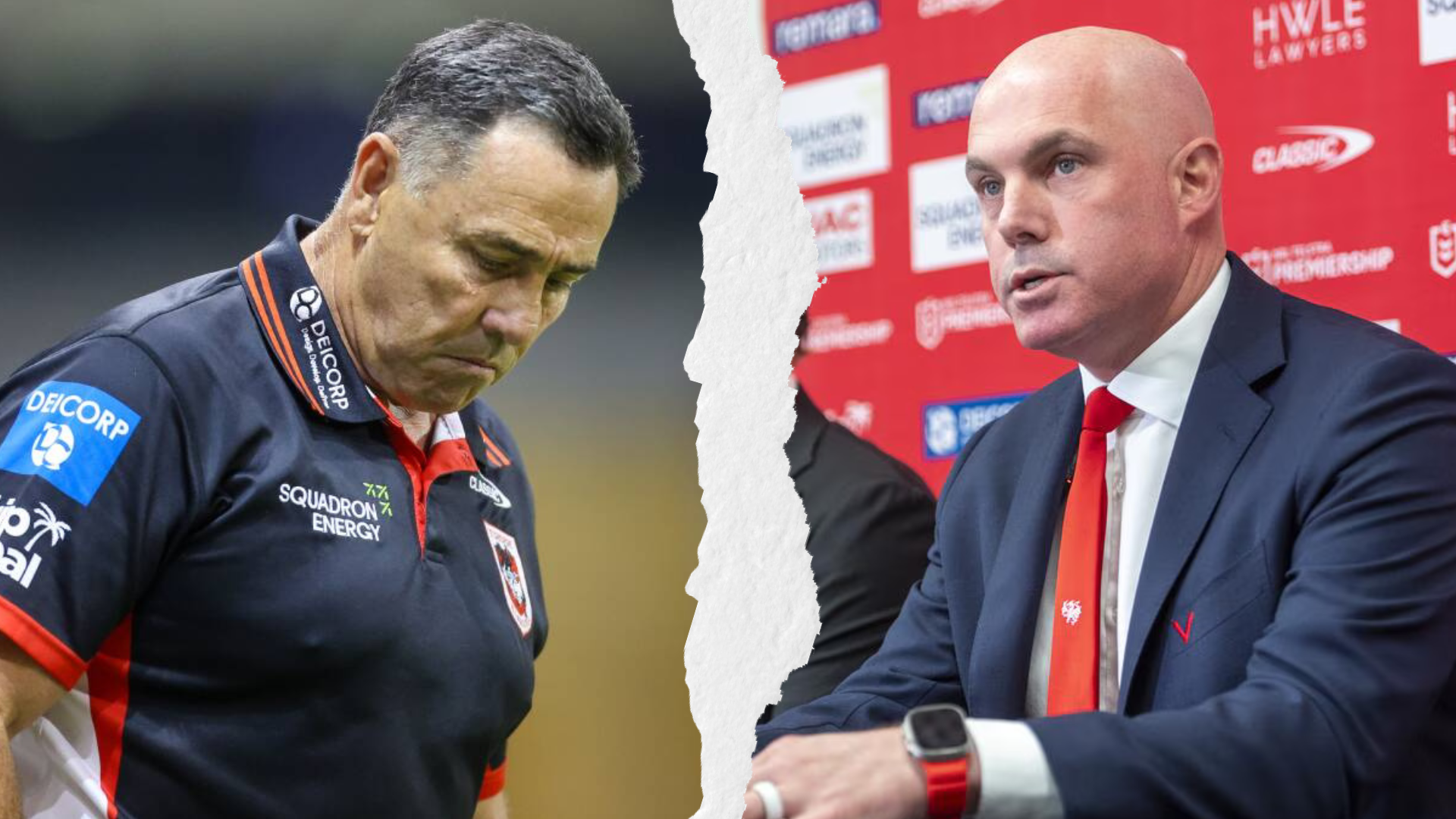
The man behind the moniker reflects on five decades in league
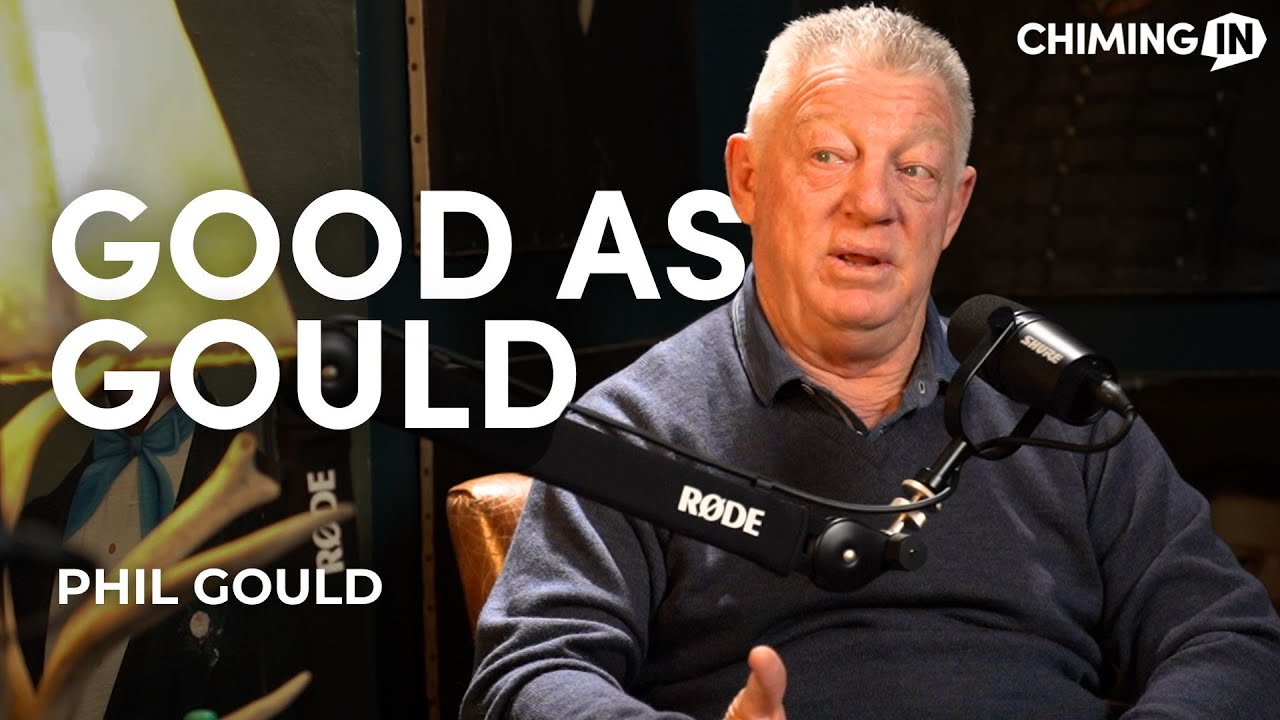
In a comprehensive and candid episode of the Chiming In podcast, Phil ‘Gus’ Gould pulls back the curtain on a career that has defined the landscape of modern rugby league.
From his formative years under the watchful eye of a police officer father to his current standing as the game’s most influential administrator, Gould provides a rare glimpse into the personal philosophy of a man who claims he would not change a single thing about his journey.
The birth of ‘Gus’
The nickname that has become synonymous with rugby league analysis was born from a moment of physical exhaustion. Gould recounted how his late friend Kenny Wilson coined the term during a brutal 10km pre-season road run in 1981. As a young Gould struggled to keep pace up the steep Arden Street hill in Clovelly, Wilson famously quipped, "Get on the bus, Gus." The moniker proved as enduring as Gould’s own career, following him from the playing field into the coaching box and the boardroom.
A life shaped by discipline
Gould’s outlook on life was largely forged by his father, Bruce, a policeman of thirty-eight years. Despite his father’s influence, Gould’s own attempt to join the force was thwarted by a colour-blindness test. This redirection led him deeper into the world of professional sport and business, though he maintains that the discipline and mentorship provided by his father remained the gold standard for his own parenting and leadership style.
The evolution of player management
Reflecting on the commercialisation of the sport, Gould identified Wayne Beavis as the pioneer who filled a void in player welfare and contract negotiation. In a humorous recollection, Gould noted that he helped Beavis secure his first two clients—Brad Fittler and Mark Geyer—in the space of two minutes. While acknowledging the necessity of agents, he voiced concerns over the modern "mercenary" nature of some managers who lack a genuine "feel for the game."
Concerns for the modern athlete
Gould offered a sobering critique of the path young players take today, suggesting that no athlete should play professional football before the age of twenty-one. He expressed deep concern regarding the "toxic" nature of social media and the "cocooned" environment of modern clubs, which he believes denies young men a proper education in life. He argued that the pressure to be a superstar at eighteen often robs players of their present, insisting that a "Plan B" is essential for long-term survival outside the "brutal" collision sport.
A legacy of hard work
When pressed on his future, Gould was adamant that a return to the coaching box is a "no chance" scenario, citing the massive shift in communication styles and the sheer scale of modern high-performance departments. Instead, he remains focused on building the foundations of the Canterbury-Bankstown Bulldogs. Despite his polarising public persona, Gould concluded that his greatest pride remains his effort, simply stating that he "tried hard" and hopes to be remembered, above all else, as a good father.
Watch the full episode on Fanatics TV.